• Home
  • Automotive
  • Business
  • Child
  • Entertainment
  • Fashion
  • Finance
  • Food
  • Health
  • Home Improvement
  • Shopping
  • Other

Intriguing Aussie Portal

Just how far have we come in material storage efficiency? What's the right racking system for my business? How can I maximize my warehouse space? Intrigued? We're about to delve into the science and art of industrial racking, an area often overlooked but undeniably important regardless of your business size.

In an ever-competitive business landscape, optimizing warehouse operations has become as crucial as enhancing the production line. At the heart of warehouse management lies intelligent storage – an aspect we often find businesses of all scales tackling with. Here's where the sheer diversity in industrial racking comes into play, providing solutions designed to ease your storage-related challenges. Welcome to a comprehensive guide through different industrial racking types, their potential benefits, challenges, and suitability for diverse business operations.

As we sift through the details of each industrial racking type, you'll find an array of shapes, sizes, structures, each tailored to meet specific business storage demands—whether it’s high-volume manufacturers or optimally running a compact warehouse for a small business.

Unraveling the Science of Selective Industrial Racking

Industrial Racking
Industrial Racking

Selective racking, also known as adjustable racking, is one of the most common types of industrial racking. Thanks to its uncomplicated assembly process and flexibility in accommodating different pallet sizes. But why are businesses readily going for this racking type? Can it be improvised for dynamic storage requirements? The answers are interesting.

The USP of selective racking is its easy pallet accessibility – allowing loading and unloading at any level, without disrupting the entire structure. This makes it ideal for businesses handling a wide variety of SKUs. However, every storage system has its share of challenging aspects. With selective racking, it’s the space-utilization; it needs ample aisle space for forklifts, which could make it less suitable for businesses needing high-density storage.

Pushback Racking: Leveraging Space for High-Density Storage

How can you maximize your warehouse space without compromising easy access to items? The answer lies in 'pushback racking'. But is it the right choice for all businesses? Maybe not as straightforward as you might think.

Designed as a last-in, first-out system, pushback racking optimizes space utilization by storing pallets on nested carts. When a new pallet is loaded, older ones are 'pushed back,’ allowing for multiple pallet storage per aisle. This high-density storage solution is ideal for businesses managing a large volume of similar SKUs. However, the complexity of installation and inventory control requirements might be a drawback for businesses looking for more simple, accessible storage systems.

The Drive-in Racking Advantage

What if you need high-density storage but prefer first-in, first-out operation? This is where drive-in racking comes in. Making optimal use of space, it eliminates aisles between the racks, providing space efficiency. But is this always beneficial?

Drive-in racking is ideal for business with substantial similar SKUs and bulk storage and retrieval needs. Keep in mind, though, this system requires high-quality forklifts and skilled operators, adding to the operational costs.

The Beauty of Mezzanine Racking

How can one add extra storage capacity without expanding the warehouse footprint? Mezzanine racking can be a great solution. But is it a feasible choice for every business?

Mezzanine racking makes smart use of vertical space by creating additional floors within the warehouse, adding a significant increase in storage capacity. It allows easy assembling and dismantling, offering flexibility. However, it may demand a significant initial investment and strict safety regulations adherence.

Cantilever Racking: Storing the Long and Odd

Finally, what’s the way out for businesses with long, bulky items like timber or steel to store? Cantilever racking could be the answer. But what’s the catch?

Cantilever racking features long arms extending from vertical columns, providing ideal storage for long or irregular items. While it offers excellent selectivity and adjustability, the need for aisle spaces on both sides may be a disadvantage for space-crunched businesses.

Conclusion

Navigating the complex world of industrial racking demands careful consideration. Whether it's selective racking for businesses seeking versatility, pushback racking for those prioritizing density, drive-in racking for bulk storage needs, mezzanine racking for capitalizing on vertical space, or cantilever racking for storing unorthodox-sized items - each has its pros and cons. Understanding your business’s specific needs can guide you in making the optimal selection. Remember, a well-organized warehouse is a reflection of an efficient business, a step you take towards growth.
Share
Tweet
Pin
Share
No comments

Introduction:

Are you ready to start the exciting journey of designing your farm sheds? Pondering how you can transform a simple shed to cater to all your specific farming needs? Or perhaps you're wondering how to make it truly authentic and reflective of your farm's identity? You've come to the right place. This blog post will take you through the key factors to consider when designing your barns and farm sheds - a significant step toward building a professional, efficient, and aesthetically pleasing farmstead.

Designing a shed for your farm goes beyond just creating a space for storage; it's about designing a smart, practical, and charming part of your homestead that enhances your operations efficiency while reflecting your personal style. Shed design spans a broad spectrum - from decisions on layout, materials, lighting, insulation, to detailing around windows, doors, and much more.

In this comprehensive guide, we've researched and laid out everything for you, covering the essential factors in planning your farm sheds. So whether you're planning your first farm shed or contemplating a renovation, we provide insights to help you make the right choices for functionality, aesthetics, and durability.

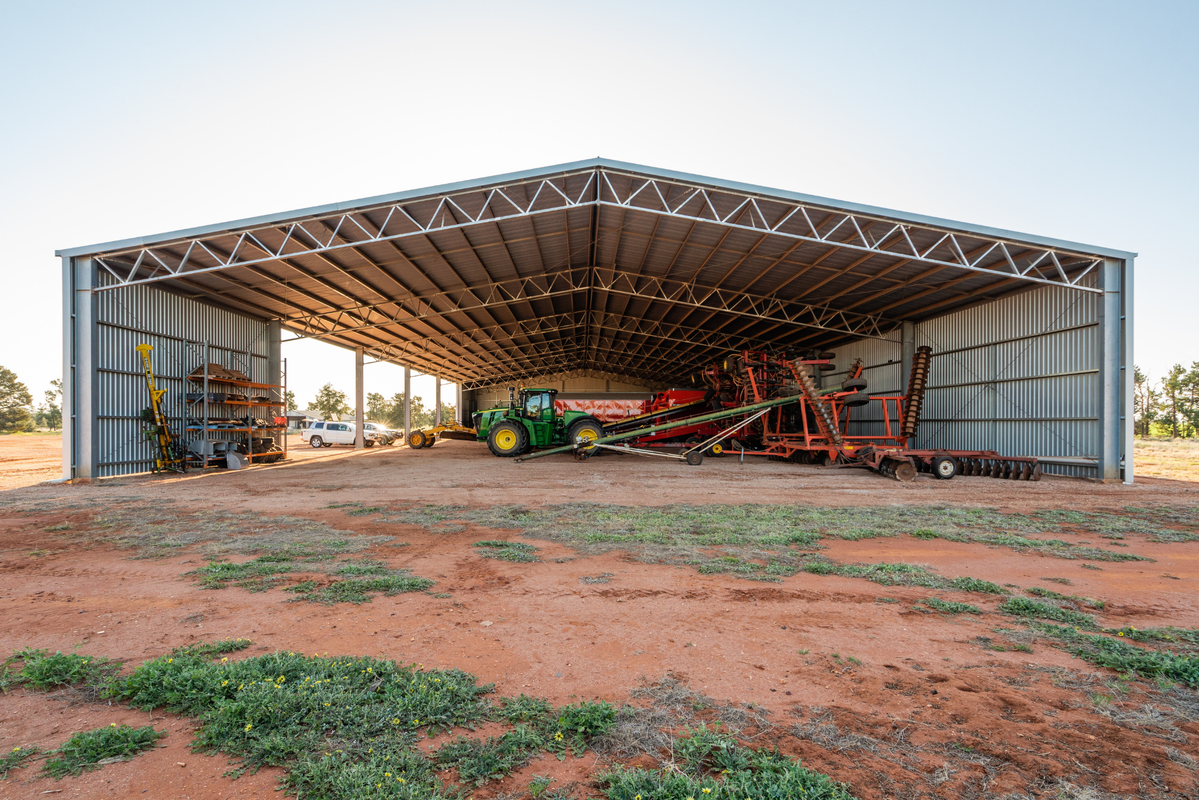
Farm Sheds

Understanding the Purpose of Your Shed:

Every farm is unique - different needs, different crops, different animals. Therefore, the first step in designing your shed is understanding its primary purpose. Is it going to be a barn to shelter your livestock? Or perhaps a storage shed for your farming equipment, hay, or produce? Or maybe even a personal workshop for farm-related tasks? Once you define this, you can tailor the design to fit your needs best.

Your shed’s purpose will dictate its size, layout, and features it’s going to need. For instance, a barn for animal shelter needs proper ventilation and insulated interiors, while a storage shed might need robust security features.

Consider important factors such as ease of access, natural light, and internal organization while planning. It's essential to envision the everyday use of your space and design around that vision.

Selecting the Ideal Location for Your Farm Shed:

Choosing the right location for your farm shed is just as important as its design. Consider the relationship of the shed to the daily operations of your farm. Would it help to have it closer to the fields? To the animals' pastures? Or near your home for quick access?

Bear in mind accessibility, climate, and orientation when locating your shed. The location should allow for efficient workflow, corralling of animals (if applicable), and optimal sunlight.

Another consideration is the impact of weather and elements on your location choice. Ensure your structure is safe from flooding, excessive winds, and other climate challenges that may affect the longevity and use of your shed.

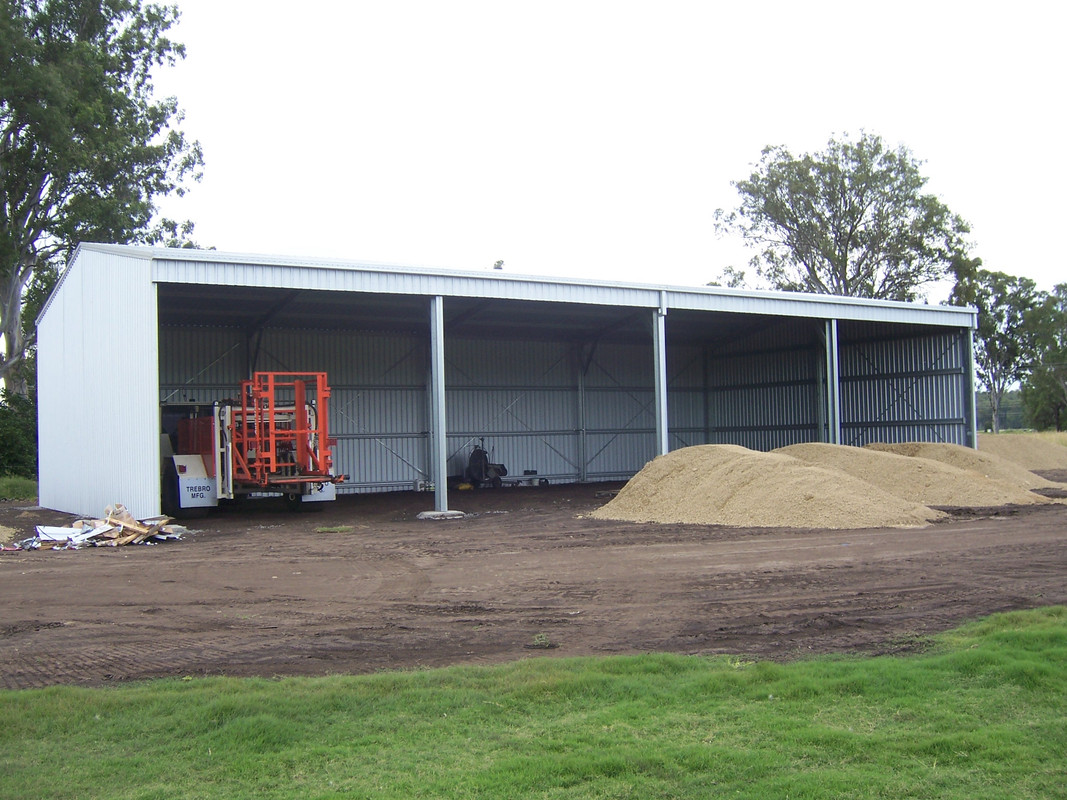
Farm Sheds

Choosing the Right Materials for Your Farm Shed:

A farm shed is a long-term investment, and the choice of materials significantly impacts its durability. Opt for high-quality, durable materials that can withstand the rigors of farm life and harsh weather conditions.

Whether it's the structural framework, siding, or roofing, each material should be chosen wisely. Wood is a traditional choice for its warmth and visually pleasing aesthetics. Still, metal or composite materials may offer better-long term resilience and less maintenance.

Incorporation of natural light through well-placed windows or skylights can boost energy efficiency and create a more inviting space. Strong, secure doors are a must for security and insulation purposes.

Architectural Style and Aesthetics:

Just because a shed is functional doesn't mean it can't exude charm and character. The aesthetic design of your farm sheds plays a significant part in enhancing your farm's visual appeal.

The architectural style should harmonize with the surroundings and other structures on your farm. Classic barn shapes, rustic touches, or sleek modern designs – the choice is yours. Customise color schemes, finishes, and architectural details to express your individuality and brand identity.

Even details like guttering and downpipes play a part in achieving a cohesive and stylized look. Don’t overlook components that have the potential to add charm and character to your farmstead.

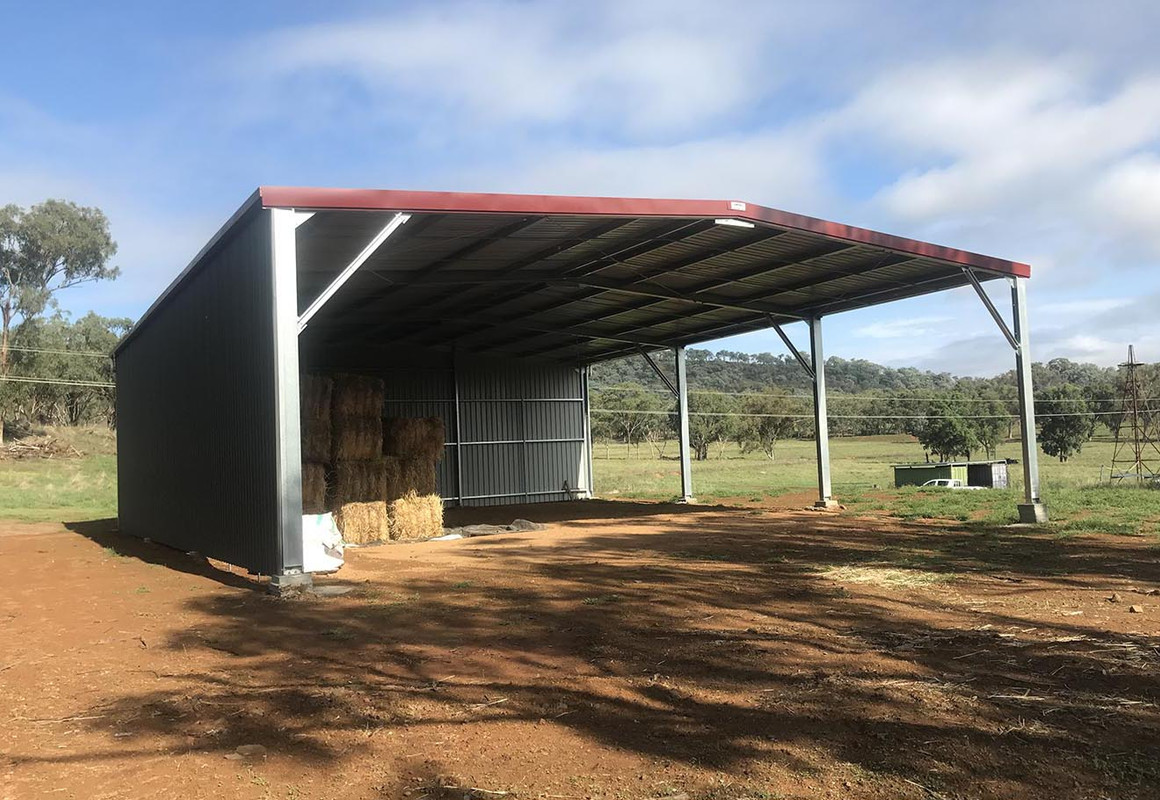
Farm Sheds

Budget, Functionality, and Future Needs:

Budgeting is an essential component in any project. Understand what your requirements are, research material prices, and get several quotes before deciding. Prioritize high-quality materials and consider long-term maintenance costs to ensure sustainability.

Beyond aesthetics and budget, the most vital factor in designing your shed is functionality. Ensure it caters to your operational needs, and there is room for flexibility. Farming processes evolve over time, so incorporating flexibility in your design will accommodate future needs efficiently.

Conclusion:

Building a farm sheds is a practical task that requires careful planning and considerations. It needs to serve its purpose, withstand the elements, fit within your budget, and reflect your unique style. Incorporating all these factors in designing your shed is key to an efficient, durable, and aesthetically pleasing structure that complements your farm operations while beautifully telling your farm’s story.

With the right planning, your farm shed can become more than just a functional space – it can add value and charm to your farm, be a testament of your commitment to quality and efficiency, and stand as a beacon of your farming legacy. So, let's get the sketches out, hammers ready, and build a well-designed farm shed that holds the test of time. Happy Farming!

Share
Tweet
Pin
Share
No comments

Have you ever found yourself tottering in a virtual or physical aisle, confronted by a vast array of carbide tools without a clue as to which one is suitably tailored for your project needs? Are you curious about the unique properties, advantages, and possible inconveniences of these integral companions to craftsmanship? If you've said a resounding yes to these questions, then you're right where you should be - you're with me, Lucy Feagins from The Design Files. 

In the following, we'll unravel the mysteries enveloping the realm of carbide tools, those shiny, exceedingly durable marvels of architecture and home improvement that transform hunks of material into pieces of art. Whether you're a hobbyist or a professional, this comprehensive guide will usher you through the key considerations for choosing the right carbide tool for your nifty projects. 

Understanding Carbide Tools: The Basics 

So, why all the fuss about carbide tools? Well, from home improvement enthusiasts to established manufacturers, their unparalleled performance and durability have made them a must-have. High-speed steel may have reigned supreme in the past, but the high-speed machining world has been a trusted territory of carbide tools in recent years. 

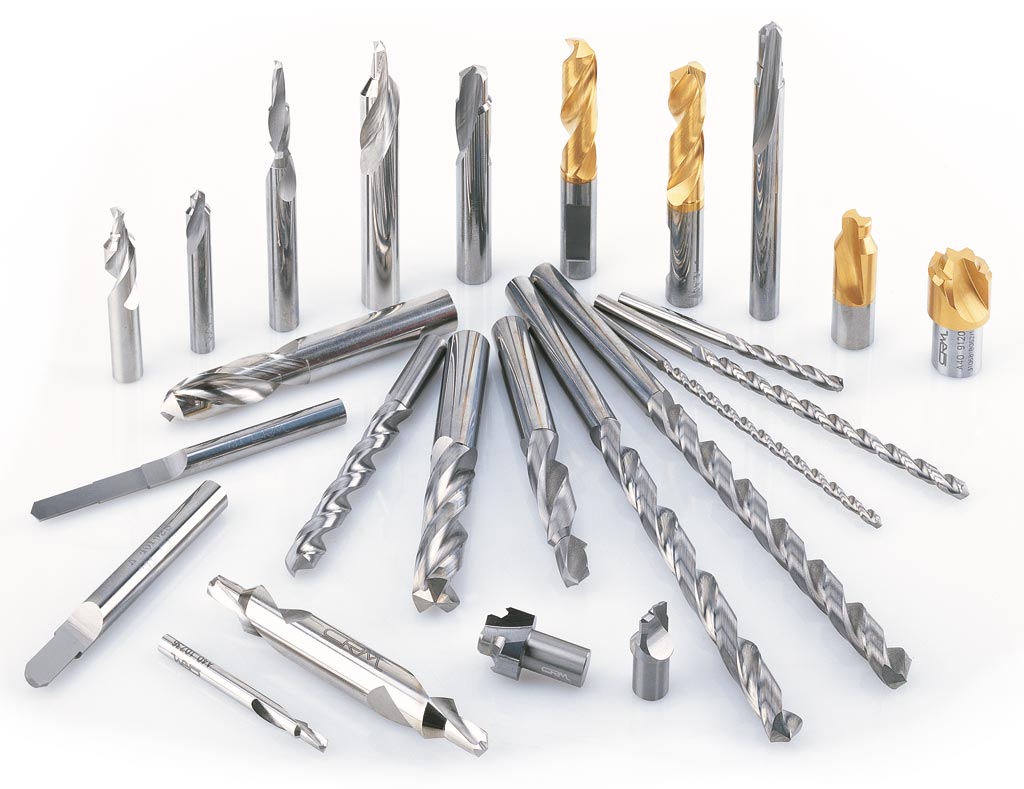
First, let's demystify what a carbide tool is. Carbide tools consist of a unique blend of carbide - a compound of carbon- and a binder metal. This combination results in a material that boasts extraordinary hardness, heat resistance and durability. Thus, carbide tools are ideal for heavy-duty applications and jobs requiring precision. 

Yet not all carbide tools are created equal. The physical properties can hugely vary based on the type and ratio of carbide and binder metal used in their composition. This fascinating versatility makes it crucial to understand your unique project needs before making an investment. 

How To Choose the Right Carbide Tool: Key Considerations 

Choosing the right carbide tool can be a game-changing decision—too significant to be an afterthought. Your choice will influence the quality of your work, the longevity of the tool, and ultimately, the cost-effectiveness of your project. 

One of the primary considerations is the type of material you intend to work on. For example, if you are working with stainless steel or aluminium, you might need carbide tools with higher tensile strength. Moreover, the hardness and abrasiveness of the material should also dictate your choice. 

The machine tooling speed you’d be working with is another factor. Carbide tools can maintain their cutting-edge at higher temperatures, which means they are perfect for high-speed machining. However, if your work calls for slower speeds, high-speed steel tools might be a more cost-effective choice. 

Pros And Cons of Carbide Tools 

But as the old saying goes, there's no such thing as a free lunch. Despite the remarkable hardness, versatility, and heat resistance of carbide tools, they do have some downsides that are worth noting before committing. 

The hard-won benefits of carbide tools come with a higher price tag. However, the longevity and performance of these tools often justify their higher initial cost over time. Also, although carbide is extraordinarily hard, it can be brittle; hence, it might not be the best fit for heavy interrupted cuts. A judicious balance between the pros and cons of carbide tools can lead to a more informed purchase decision. 

Looking Ahead: The Future of Carbide Tools 

The use of carbide tools is unlikely to wane anytime soon. With increasing advancements in machining and manufacturing technologies, we can expect to see a rise in the use of nano-crystalline carbide and other new-age materials. As a result, carbide tools of the future will likely be harder, more durable, and capable of tackling a wider range of applications. 

Nurturing Your Carbide Tools: Maintenance Matters 

Regular maintenance and appropriate usage can significantly enhance the lifespan of carbide tools. These include regular cleaning, safe storage, and proper handling. The frequency and method of sharpening your carbide tools also impact their longevity and performance drastically. 

Conclusion 

Embarking on the journey to find the perfect carbide tool doesn’t need to be intimidating. Whether you're a seasoned crafter or a neophyte, the world of architecture and home improvement demands a discerning eye. With this comprehensive buying guide in your toolbox, you can confidently navigate the expansive array of options and find the carbide tool that caters to your very unique needs. Cheers to making informed decisions and cultivating a beautiful relationship with your workbench.

Share
Tweet
Pin
Share
No comments

How often do you find yourself scanning a busy parking lot, trying to find a spot to park your car safely? Have you ever found yourself puzzled, squinting at the different lines and symbols marked on the parking lot surface? Ever wondered what these cryptic markings mean, and if they play any role beyond guiding your parking maneuvers? This blog post delves into the intriguing world of car park line markings — their types, benefits, and significance in making parking spaces functional, safe, and aesthetically appealing.

Decoding the Types of Car Park Line Markings

Parking lots are structured chaos, a mosaic of lines and symbols guiding drivers through the labyrinth. The first type of markings you're likely to encounter are the boundary lines. These delineate the extent of the parking area, defining the buffer zones, entrances, and exits, ensuring smooth traffic flow. Hatched markings are another kind you'll frequently spot. These crisscrossing lines denote no-parking zones, serving as subtle do-not-disturb signs. Third in line are the disability bays, marked distinctively to reserve spots for the differently-abled. Custom parking signage further breaks down these categories, providing specifications for family, VIP, or service vehicles.

car park line marking melbourne

The Art and Function of Line Markings

Car park line markings are functional art, simplifying navigation while fostering a sense of order. By marking borders, they prevent overspill into roads or pedestrian areas, maintaining safety. Designated parking zones avoid conflicts, ensuring a harmonious user experience in bustling spaces. They also increase space efficiency by delineating exact parking spots, helping businesses make the most of available real estate.

Importance of Colour in Markings

Technically speaking, car park line markings are monochromes, with white being the most common hue. This uniformity brings consistency across cities and countries. Blue markings indicate disabled parking. A less-known fact – yellow lines denote private parking. Some areas might use red or green for fire lanes and electric charging spots. Thus, colors play a pivotal role in providing clear and concise information.

Professional Line Marking as a Necessity

DIY might work well for most things, but when it comes to car park line marking, it's best to rely on professionals. Precision, quality, and durability are paramount here. Moreover, legal compliances need to be ticked to avoid potential penalties. Engaging professionals ensure all boxes are ticked and car parks remain appealing, orderly spaces.

Car Park Line Marking and Maintenance

Car park line marking isn't a one-shot affair. Constant wear and tear necessitate regular upkeep to retain clarity and visibility. Immediate rectification of fading or chipped lines can save users from unnecessary confusion, mishaps, or accidents.

The Mobility and Environmental Angle to Line Markings

Interestingly, car park line markings have evolved to reflect sustainable and inclusive mobility. With e-vehicles gaining traction, most car parks now reserve a spot or two for EV charging. Bike lanes and parking are becoming universal. At the same time, ample parking for the differently-abled speaks volumes about inclusivity and respecting diversity.

car park line marking melbourne

Conclusion

Car park line markings are unsung heroes that guide us through the maze of parking lots, serving a purpose far beyond aesthetics. They structure the chaos into an orderly flow, ensuring safety and efficiency. Next time you spot those lines and symbols, you’ll appreciate the crucial role they play in our daily commutes. Meanwhile, let's honour their silent contributions to urban order and mobility by respecting these boundaries, both literally and figuratively. No more parking faux pas!

Share
Tweet
Pin
Share
No comments

As we inch closer to amalgamating our living spaces to resonate with our personalities, wouldn't it be fulfilling to incorporate a theme that is timeless, yet modern? What if accessorizing your home did not just stop at furniture, but extended to the floors beneath your feet? Dare to delve into the enigmatic realm of interior design where the floors whisper elegance? Ladies and gentlemen, let's draw back the curtain on this awe-inspiring spectacle of timber flooring trends, an avenue where traditional meets contemporary to create an ethereal living space. This is not just a visual transformation; it's an exploration into the heart of your home, establishing a connection between you and your space.

Ever since the advent of modern architecture, interior design has taken significant strides. Notably, the focus has shifted from basic necessities to comfort and aesthetics, fostering a relationship between homeowner and the abode. Today, we explore the influence of this shift in the domain of flooring. Can timber flooring catapult your modern home’s appeal to a whole new dimension? Prepare yourselves to traverse through the enchantingforest of timber flooring trends, where the ordinary floor transforms into a canvas displaying your discerning tastes and style.

In this blog post, we aim to investigate the latest trends in timber flooring that could potentially revolutionize your home's ambience. Hold on to your hats as we plunge into the beguiling world where wood grains retell tales of elegance, charm, and warmth. Here's to redefining the floor beneath your feet, a journey toward creating an inviting and well-grounded home.

What's driving the Timber Flooring Trend?

Timber Flooring
Timber Flooring

Understanding the factors behind the ubiquitous shift to timber flooring will better equip us to grasp its influence in contemporary home design. An increase in environmental consciousness plays a significant role, with homeowners seeking sustainable materials. Not only is timber eco-friendly, but it also embodies class and sophistication, eventually amplifying the charm of a space.

Furthermore, timber flooring promises longevity and durability, making it an attractive choice. Over the years, advancements in technology have championed customized finishes and colors, allowing homeowners to be active participants in their home's character development.

Lastly, the unique blend of tradition and modernism that timber flooring imparts is instrumental in driving this trend. The understated elegance of timber, coupled with the opportunity for personalization, makes it the toast of contemporary interior design.

How to Choose the Right Timber Flooring?

The selection of timber flooring is an art, carefully balancing functionality, style, and budget. Numerous factors need consideration - beginning with the type of timber; solid timber resonates with authenticity, while engineered timber provides more stability against temperature and humidity fluctuations.

Secondly, understanding the impact of wood grains and colors on your living spaces is critical. For example, lighter shades can help you achieve a roomier feel, while darker hues tend to underscore elegance and warmth.

Lastly, the finish of the timber plays a pivotal role. With options ranging from glossy to matte, your choice significantly determines your floor's resistance to wear and tear and the aura it emanates.

Pros and Cons of Timber Flooring

Timber flooring has its set of advantages and disadvantages. The most significant benefit lies in its visual appeal and versatility. It instantly elevates style quotient and pairs well with various design themes.

Timber also offers health benefits, preventing allergens and dust mites from settling, a boon for allergy sufferers. Moreover, timber flooring's robustness and potential for refinishing make it a worthwhile investment.

On the downside, timber flooring needs regular maintenance to retain its charm. Exposure to humidity can cause warping. Additionally, excessive noise transmission might be an issue in some cases.

Timber Flooring – A Rainbow of Options

The world of timber flooring is a spectrum of numerous choices. From traditional oak flooring with its undeniable charm to the ethereal lightness of beach-inspired ash floors, the possibilities are endless. If chic urbanity is your goal, stained black timber flooring can do the trick, while exotic species like jarrah and spotted gum provide an unconventional aesthetic appeal.

Future of Timber Flooring

With sustainability being a priority, the future of timber flooring looks promising. Innovations like reclaimed or recycled timber flooring and procedures to improve durability and resist pest invasion are groundbreaking. The evolution of technology to enable more customization options predicts a continued preference for timber flooring in modern homes.

Conclusion: Treading on Timber 

Exploring the domain of timber flooring has been enlightening, uncovering the extraordinary potential that lies beneath our feet. Its elegance, class, and undeniable charm, fused with its eco-friendly nature and durability, make it an attractive choice for modern homes. The array of timber flooring options and their future scenario further strengthens its position in the interior design realm. However, like any other investment, understanding its pros and cons, selecting the suitable type and finish, and maintaining it warrants consideration. Timber flooring is not merely another fashionable trend; it is a treasured investment, a veritable vibe-setter for your home, a testimony to your tastes and style. From understated to extravagant, cozy to chic, timber flooring caters to all, speaking volumes about the homeowner while ensconcing the house in a warm, inviting aura.

Share
Tweet
Pin
Share
No comments
Newer Posts
Older Posts

Follow Us

About me

About Me


I am Amelia Varley, a qualified blogger. Here you can see my skills which gives you small ideas on understanding all the concepts with different themes. I love to write blog on different topics, like: health, home décor, Automotive, Business, Food, Lifestyle, Finance, Flowers etc.
bloglovin

Blog Archive

  • ►  2026 (3)
    • ►  October (2)
    • ►  February (1)
  • ►  2025 (28)
    • ►  November (1)
    • ►  August (1)
    • ►  May (3)
    • ►  April (7)
    • ►  March (5)
    • ►  February (5)
    • ►  January (6)
  • ▼  2024 (92)
    • ►  December (8)
    • ►  November (3)
    • ►  October (3)
    • ►  September (4)
    • ►  August (6)
    • ▼  July (5)
      • Exploring the Maze of Industrial Racking: Suits Yo...
      • Key Factors to Consider When Designing Your Farm S...
      • Choosing The Right Carbide Tool: A Comprehensive B...
      • Car Park Line Markings: Shapes, Symbols, and Symbi...
      • Unraveling the Aesthetic Appeal: Timber Flooring T...
    • ►  June (5)
    • ►  May (20)
    • ►  April (7)
    • ►  March (20)
    • ►  February (4)
    • ►  January (7)
  • ►  2023 (106)
    • ►  December (25)
    • ►  November (6)
    • ►  October (13)
    • ►  September (15)
    • ►  August (4)
    • ►  July (10)
    • ►  June (4)
    • ►  May (11)
    • ►  April (3)
    • ►  March (4)
    • ►  February (5)
    • ►  January (6)
  • ►  2022 (42)
    • ►  December (1)
    • ►  November (4)
    • ►  October (4)
    • ►  September (4)
    • ►  August (3)
    • ►  July (5)
    • ►  June (3)
    • ►  May (2)
    • ►  April (4)
    • ►  March (4)
    • ►  February (7)
    • ►  January (1)
  • ►  2021 (81)
    • ►  December (8)
    • ►  November (10)
    • ►  October (14)
    • ►  September (5)
    • ►  August (5)
    • ►  July (4)
    • ►  June (10)
    • ►  May (6)
    • ►  April (7)
    • ►  March (3)
    • ►  February (4)
    • ►  January (5)
  • ►  2020 (29)
    • ►  December (4)
    • ►  November (2)
    • ►  October (1)
    • ►  September (7)
    • ►  August (7)
    • ►  July (1)
    • ►  March (1)
    • ►  February (2)
    • ►  January (4)
  • ►  2019 (115)
    • ►  December (10)
    • ►  November (23)
    • ►  October (4)
    • ►  September (12)
    • ►  August (13)
    • ►  July (9)
    • ►  June (13)
    • ►  May (4)
    • ►  April (10)
    • ►  March (6)
    • ►  February (3)
    • ►  January (8)
  • ►  2018 (152)
    • ►  December (17)
    • ►  November (3)
    • ►  October (5)
    • ►  September (5)
    • ►  August (8)
    • ►  July (7)
    • ►  June (7)
    • ►  May (11)
    • ►  April (25)
    • ►  March (16)
    • ►  February (25)
    • ►  January (23)
  • ►  2017 (23)
    • ►  December (17)
    • ►  November (5)
    • ►  March (1)

recent posts

Labels


Twitter

Tweets by amelia_varley

Pinterest

BeautyTemplates | Distributed by Gooyaabi Templates